
March 5, 2026
Dreaming of morning tee times, sunset dinners at the clubhouse, and a social calendar you do not have to plan? If you are moving to Boca Raton or trading up locally, a country club community can deliver that lifestyle. The options vary widely here, so the right fit depends on how you want to spend your time and how you prefer memberships to work. This guide shows you what to expect, how to compare clubs, and the key questions to ask before you buy. Let’s dive in.
Boca Raton offers a broad mix of country club communities. You will find very large, activity-rich clubs, boutique gated neighborhoods with on-site amenities, and resort settings that also sell residences. Local examples include Boca West, Broken Sound, Woodfield, The Polo Club, Stonebridge, Royal Palm Yacht & Country Club, and The Boca Raton Resort & Club. For a sense of scale, review how a major member-owned club like Boca West highlights courses, dining, and events.
Clubs differ in how they are governed. Some are equity or member-owned, which means members typically vote on leadership and major capital plans. Others are proprietary or non-member-owned, where a company or developer sets policy. That legal structure affects voting rights, how capital projects get approved, and whether buy-ins have any resale value. For a neutral industry view of club models and management, see the Club Management Association of America.
One practical note for your budget. Club fees are usually separate from HOA dues and property taxes. Some Florida communities also lie inside Community Development Districts that fund infrastructure, and those assessments show up on your tax bill. Treat HOA, club, and CDD as three separate line items to review. A helpful overview of CDDs is available from FirstService Residential.
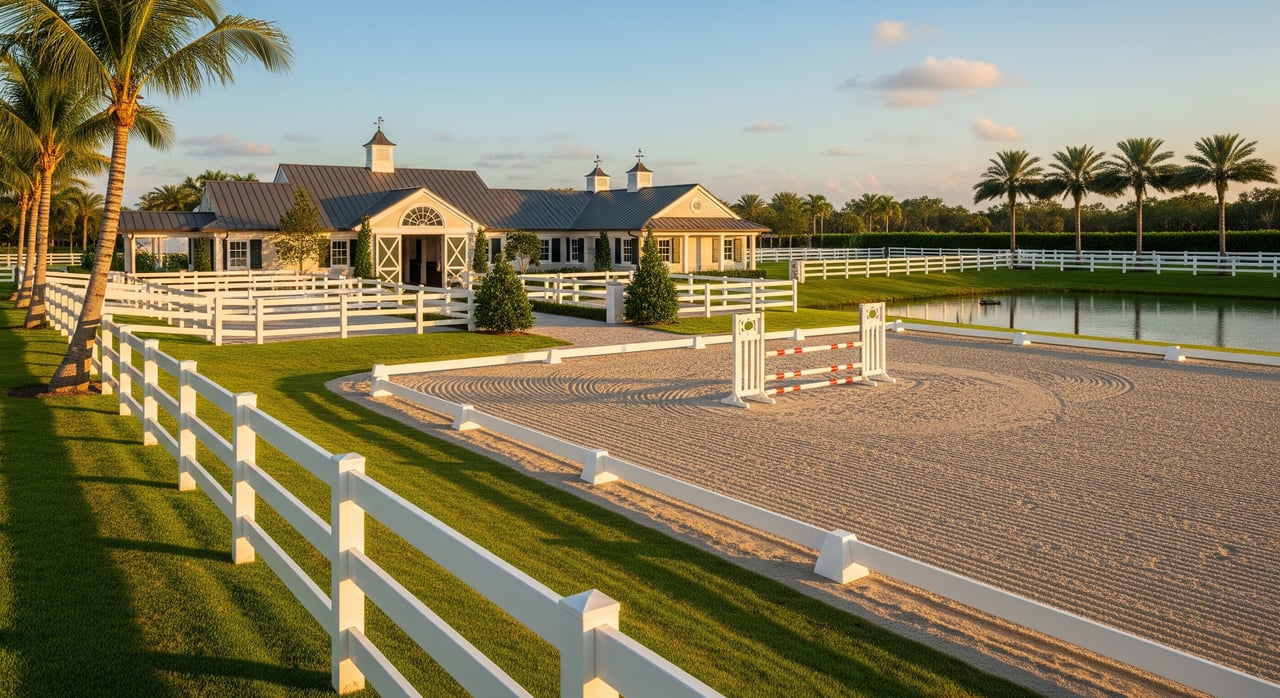
Many Boca clubs are built around championship golf. Larger clubs may offer multiple 18-hole courses, extensive practice areas, and instruction for all levels. Member calendars often include clinics, junior programs, and organized tournaments. You can scan how a flagship club presents its golf programs by exploring Boca West’s official site.
Boca is known for strong racquets programs. Expect Har-Tru clay courts, robust lesson menus, and league play across levels. If racquets matter to you, ask about court counts, teaching staff credentials, and league schedules. These details shape your day-to-day access and how often you will need to reserve in advance.
Large clubs often pair resort-style pools with full fitness centers, spa services, and regular programming for all ages. That can include after-school activities, holiday camps, and adult group classes. Smaller boutique clubs may keep it simple with a clubhouse, pool, and a modest gym. Match the offerings to what you will actually use.
On-site dining usually spans from casual grills to fine dining. Many clubs host recurring themed nights, holiday events, and private parties. Larger clubs and resorts usually offer multiple venues, which helps with variety and reservation flexibility. For a sense of dining scale and social calendars, browse Boca West’s event-forward presentation.
A handful of Boca enclaves combine country club life with marina access or proximity to the Intracoastal. If boating is on your list, ask about slip ownership or leases, transfer rules, and water depths that fit your vessel. Verify any recent seawall or dredge reports and confirm maximum boat lengths.
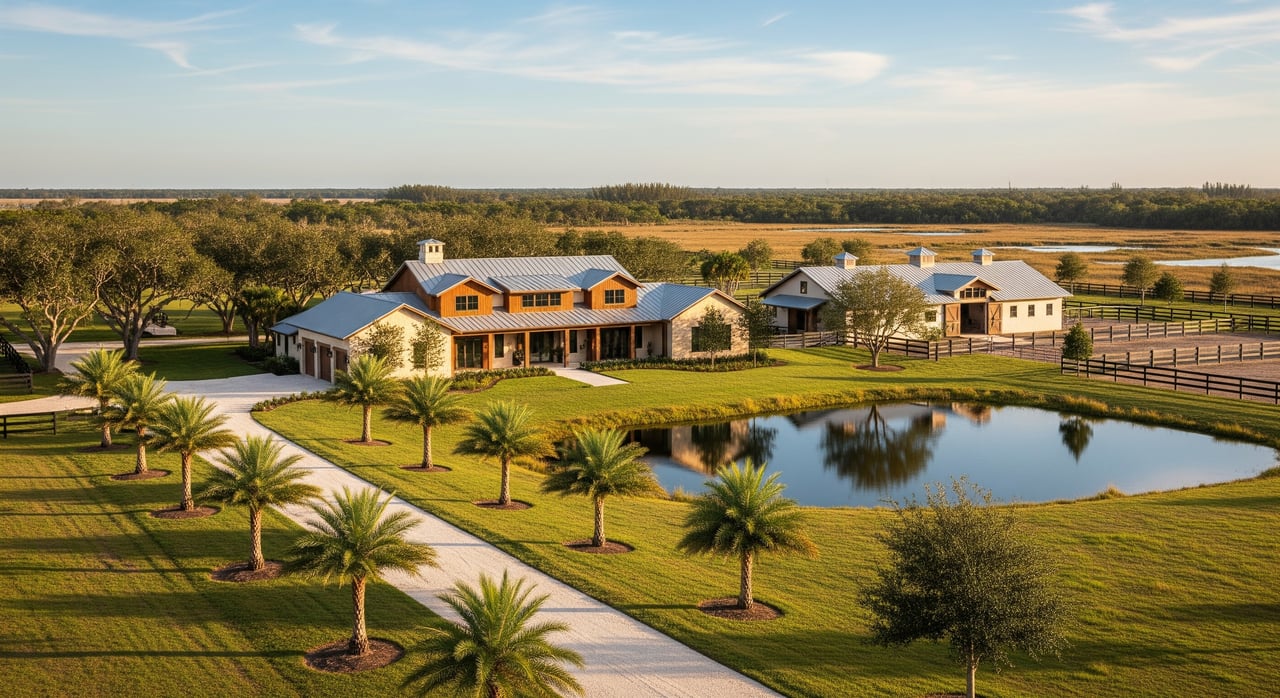
You will find trophy lots and luxury estate homes in select clubs and waterfront enclaves. These settings often place you close to golf, racquets, or private marina access. Scarcity on deep-water canals can keep prices at the high end of the market.
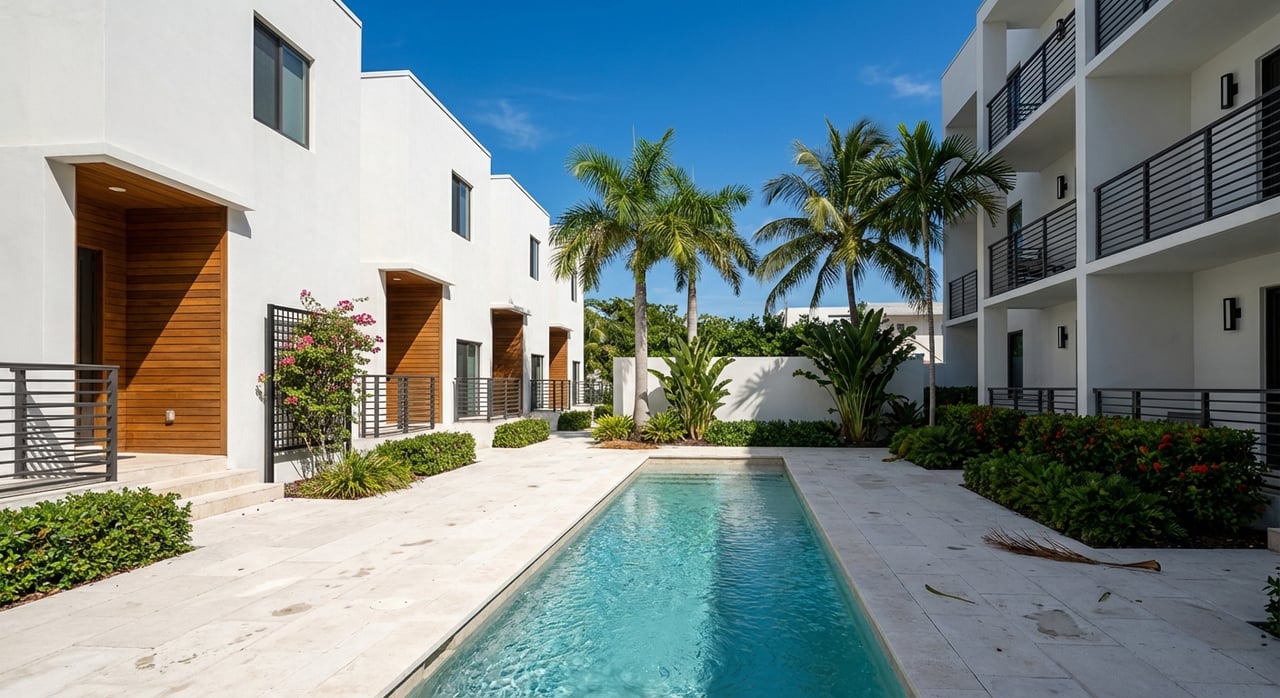
Many club communities include attached villas or coach homes that deliver low-maintenance living with club access. Some resort settings also include condominium towers or stacked residences. Price bands vary widely by product type, location, and membership level.
Some clubs draw seasonal residents and retirees. Others, like those with strong junior programs, attract year-round households who prioritize daily activity. That mix shapes weekday and weekend energy, lesson availability, and programming calendars. Visit at different times to feel the rhythm before you decide.
Equity or member-owned clubs give members a stake in governance. You may pay an initiation or buy a share that could be refundable or transferable under club policy. In non-equity or proprietary clubs, a company or developer owns the facility, and memberships are customer contracts with different transfer rules. These differences affect voting rights, how capital projects are funded, and potential refunds. You can review broader context in this industry and legal overview.
Some Boca communities require homeowners to join the club. Others allow optional membership. For example, Woodfield states that membership is mandatory for homeowners. Always confirm the rule for the specific neighborhood you are considering and ask how that requirement is handled at closing.
Most clubs use a mix of fees that can include:
Fee amounts vary widely by club and membership category, and they change over time. Large private clubs often share membership categories and amenities on their sites, such as Boca West’s membership pages. Request the current fee schedule in writing.
Membership transfer rules depend on club bylaws. In some communities, a seller can convey a transferable membership with the home. In others, the buyer must apply and pay a new initiation. Appraisers and lenders typically treat club buy-ins as separate from real property unless the membership transfers with title. For context on how structure shapes transfer and valuation, see this policy summary.
Plan for three possible buckets:
Not every property will have a CDD, but where present the assessment is separate from HOA dues. For a Florida overview, read the CDD explainer from FirstService Residential.
If you are considering waterfront or near-coastal properties, review FEMA flood zones and elevation certificates early. Wind and flood insurance options and premiums will shape your annual costs. Florida’s insurance market has been evolving, and recent reforms have begun to stabilize conditions. See the latest statewide context from the Insurance Information Institute on market stabilization and reforms. Secure quotes from an insurance broker familiar with Palm Beach County.
Bring a short checklist to every tour. Ask for:
Use these prompts to compare communities:
Visit at different times to get a true feel. Try a weekday morning to see golf pace and a weekend evening to gauge social energy. Dine on site to assess service and food. Walk the course or observe a league day. Review group class schedules and confirm the programs you care about, like junior camps or adult clinics, are actually offered when you can attend.
Here is how several well-known Boca settings tend to position themselves:
Your ideal match depends on how you plan to use the club, the type of home you prefer, and what governance style you trust.
If you want a local, side-by-side comparison of membership models, dues structures, and neighborhood options that fit your goals, reach out. With 23 years in Palm Beach County and a client-first approach, Deborah Puleo can help you narrow the field and move forward with confidence.


Have questions about buying, selling, or moving to Palm Beach Gardens? Reach out anytime—Deborah is here to help with honest advice and local expertise.