Trying to decide between a townhome and a condo in Delray Beach? You are not alone. The right choice comes down to how you want to live, what you want to maintain, and how Florida’s insurance and HOA rules affect your budget. In this guide, you will get a clear, local comparison of lifestyle, costs, insurance, and due diligence so you can choose with confidence. Let’s dive in.
Quick decision guide
Choose a condo if you want
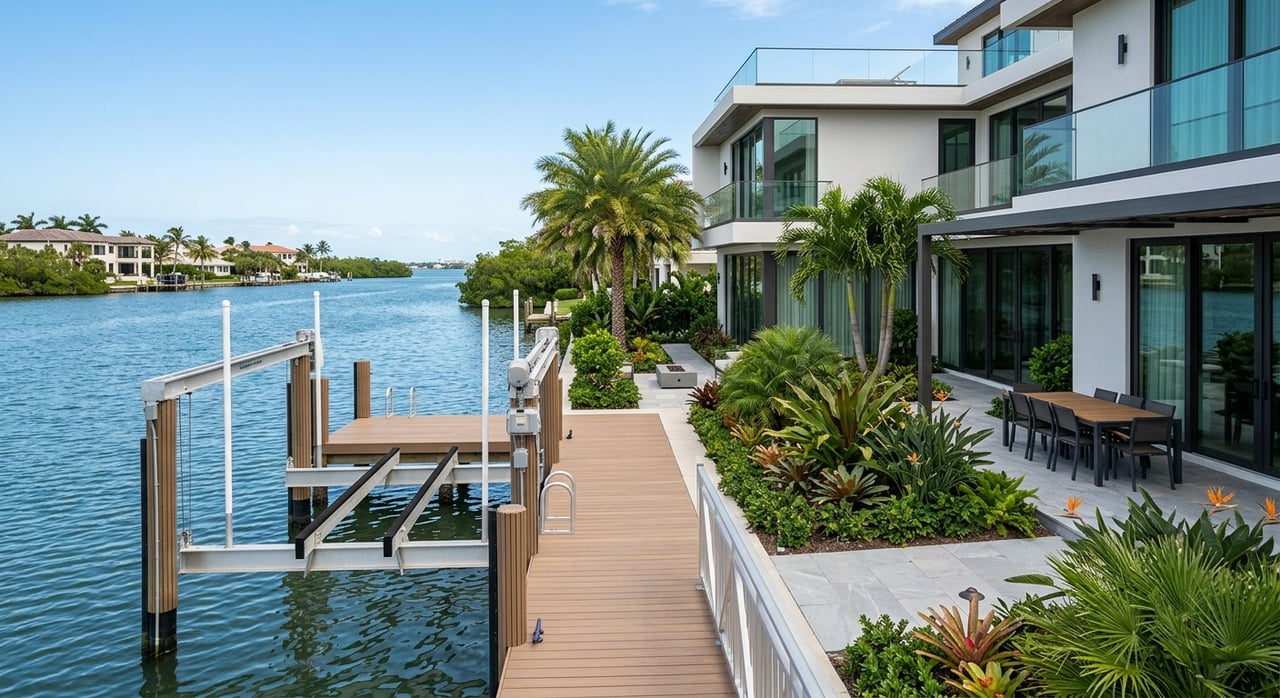
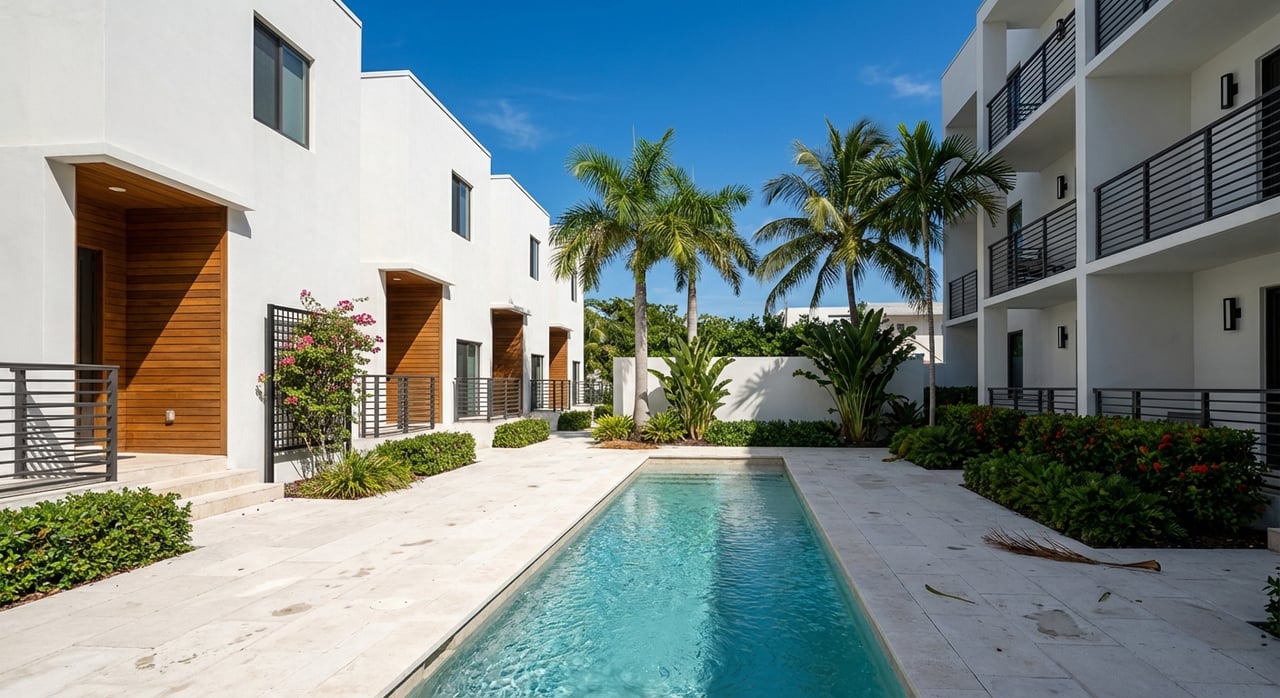
- Walk-to-beach and Atlantic Avenue convenience, often with onsite amenities like pools and fitness rooms. Many downtown and A1A condos offer the easiest lock-and-leave lifestyle near dining and nightlife. For a sense of the area’s walkability and scene, explore the downtown overview on Delray’s local guide.
- Shared building upkeep and a master insurance policy managed by the association. Under Florida’s condominium law, the association typically maintains common elements such as the roof, exterior, and hallways. Review responsibilities in Chapter 718 of the Florida Condominium Act.
- Lower day-to-day maintenance inside your front door and the option to travel without worrying about exterior tasks. Your owner policy is usually an HO-6 that pairs with the building’s master coverage. See what condo insurance typically covers in this Bankrate overview.
Choose a townhome if you want
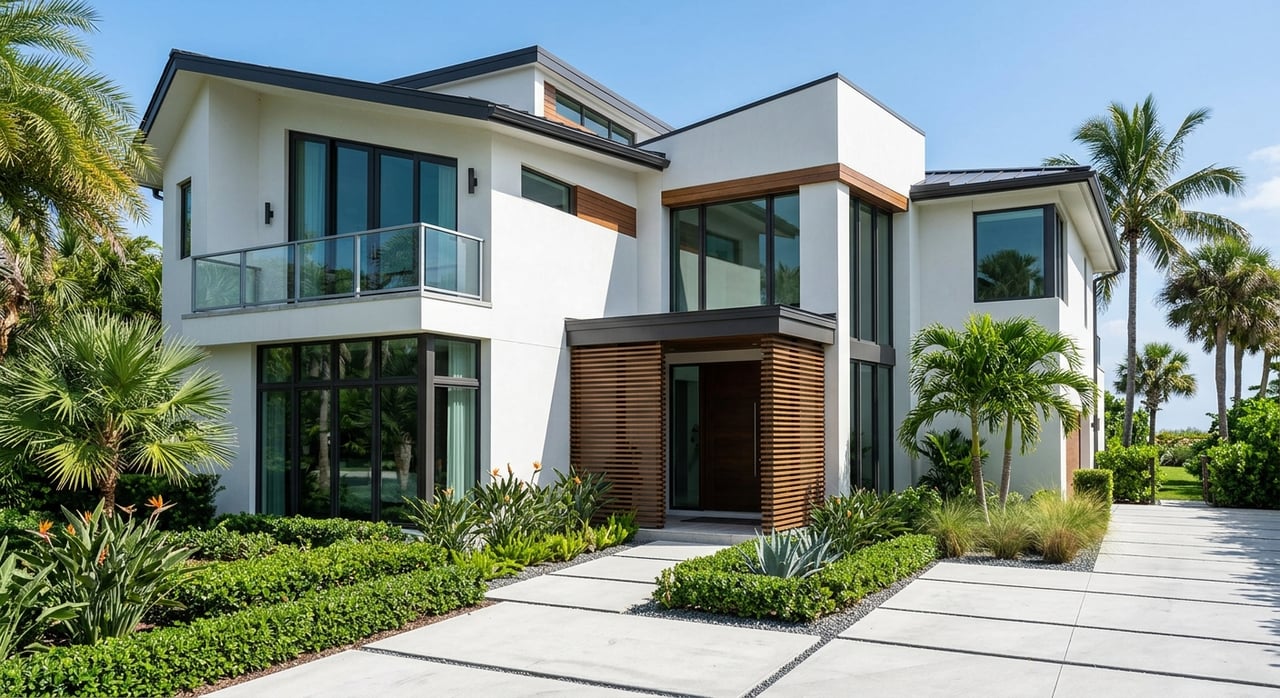
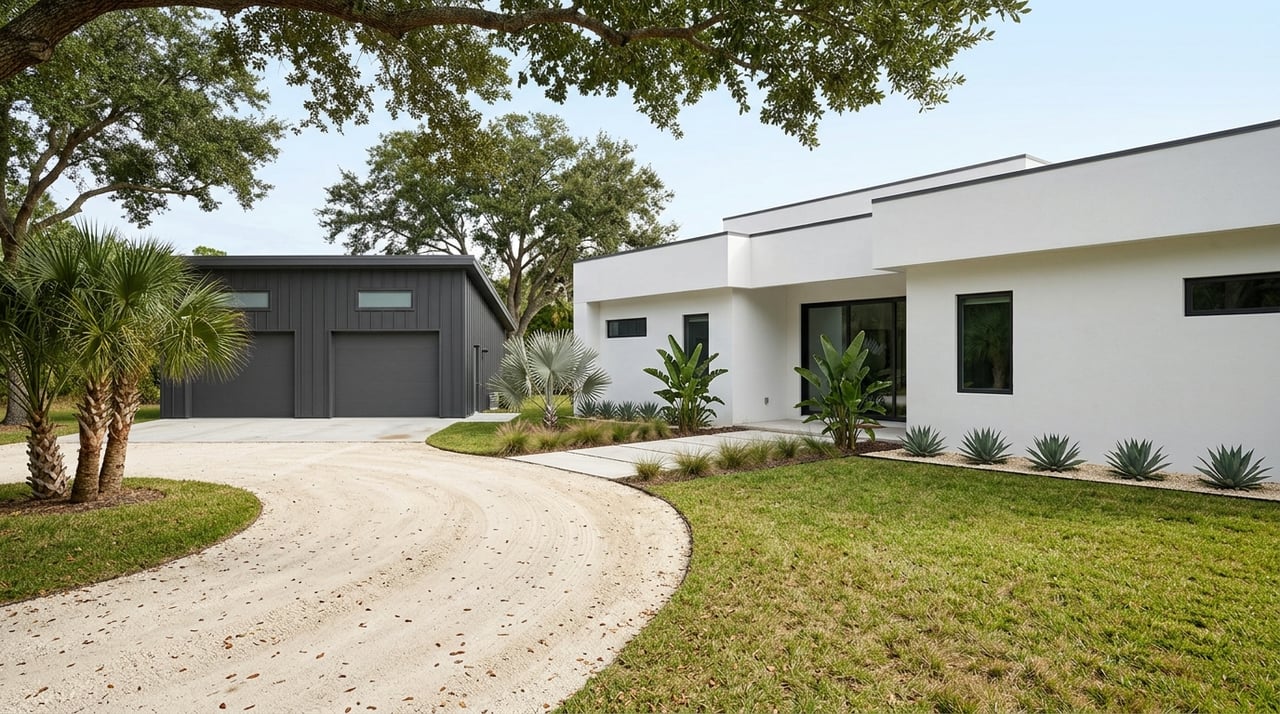
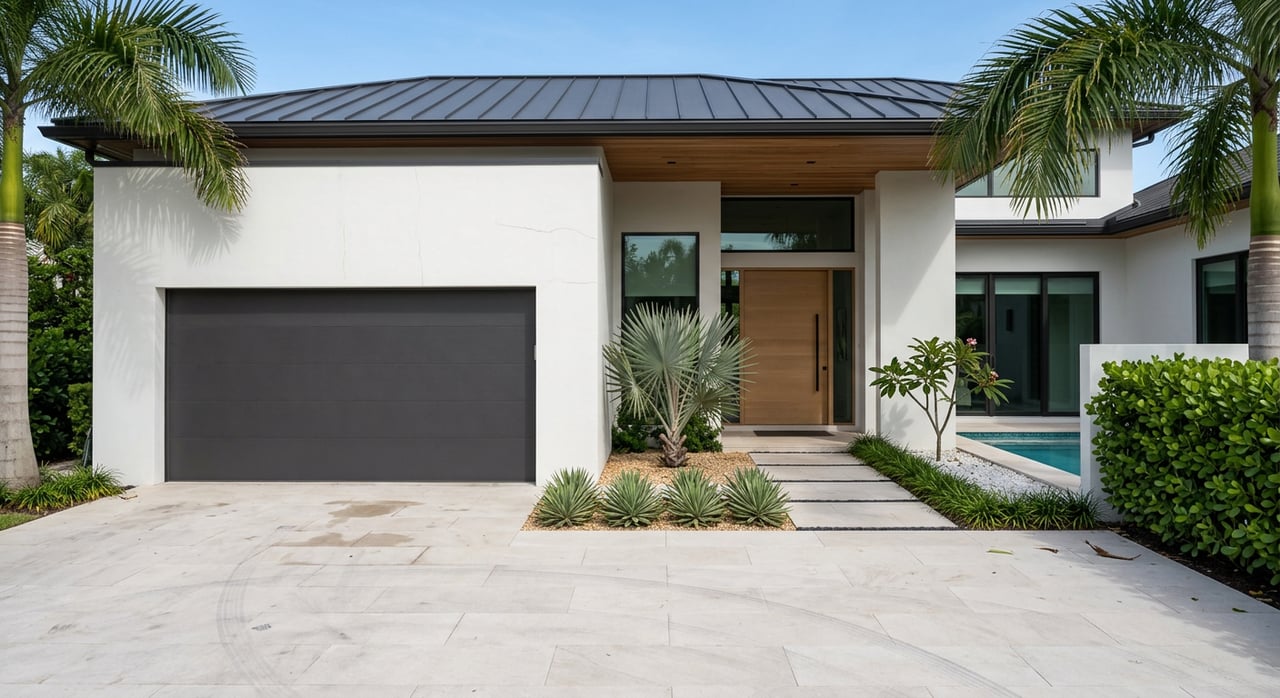
- More privacy, a front door at street level, and often a garage or small yard for pets, bikes, or beach gear.
- Potentially lower HOA dues if the community has fewer amenities, balanced by greater owner responsibility for the exterior or roof. What the HOA covers depends on the governing documents, especially in HOA communities under Chapter 720. The takeaway is simple: do not assume. Rules vary, so verify the recorded declaration and recent budgets. A practical primer on HOA governance updates is available here: Florida HOA law changes and operations.
- Flexibility in location and layout. Many townhomes sit a few blocks inland where pricing can be more favorable compared to beachfront or on-the-avenue buildings.
What you actually own and insure
Condos: association vs. owner
In a condo, you generally own the interior of your unit. The association owns and maintains the common elements, which can include the exterior, roof, and shared systems. Verify your exact boundaries and coverage in the declaration and the condo’s master insurance summary under Florida’s Chapter 718. Your owner policy is usually an HO-6 that covers interior finishes, personal property, and liability, adjusted to the master policy type. For an overview of how HO-6 policies coordinate with master coverage, review Bankrate’s guide.
Townhomes: structure varies by community
“Townhome” describes the building style, not the legal setup. Some townhomes are fee simple in HOAs, while others are legally condos. Maintenance and insurance responsibilities change with that structure. In many HOAs, you will insure more of the structure yourself. Always read the declaration and ask for the association’s Certificate of Insurance to understand who covers what. For context on recent Florida HOA transparency and record-keeping rules, see this HOA governance update.
Flood and wind in east Delray
Flood and wind are core cost drivers in coastal South Florida. East Delray and downtown areas have low elevation and can face coastal flooding, storm surge, and king-tide events. If a property lies in a FEMA Special Flood Hazard Area, lenders typically require flood insurance, which will affect your monthly budget. The City outlines resilience planning and local conditions here: Delray Beach climate resilience. Ask for flood quotes early and compare hurricane wind deductibles when you shop owner policies.
Association health after Florida’s condo reforms
Florida enacted major condo safety reforms after the Surfside tragedy. Many multi-story buildings must complete milestone inspections and structural integrity reserve studies, and associations must follow stronger reserve funding and disclosure rules. These changes improve safety but can increase assessments if reserves lag. Learn what the reforms mean for buyers and owners in this SB 4-D overview. When reviewing a building, request the latest reserve study, budgets, inspection reports, and meeting minutes. A well-documented reserve plan reduces the risk of surprise assessments. For context on reserve planning, see this reserve study primer.
Costs to compare in your monthly budget
- Mortgage principal and interest
- Property taxes for Palm Beach County
- HOA or condo dues, including what they cover and any scheduled increases
- Homeowner’s insurance and separate flood insurance if required
- Utilities and services like internet or cable if not included
- Any known or voted special assessments within the next 12 months
Financing can also depend on project health. Condos must meet lender eligibility on items like reserves and litigation, so it pays to confirm project status early. Review the Fannie Mae condo project requirements with your lender before you make an offer.
For market context, 2024 to 2025 data shows attached homes across Florida often have higher inventory and more buyer leverage than single-family segments. See the statewide snapshot from Florida Realtors and then use building and block-level comps for Delray’s downtown, marina, and inland neighborhoods.
Lifestyle and location tradeoffs in Delray
Downtown and beach proximity
If your top priority is stepping out to cafes, galleries, and the beach, focus on condos near Atlantic Avenue and A1A. These buildings cluster amenities and make it easier to enjoy the nightlife without a car. Walk-to-beach properties often command a premium and can carry higher dues for staffing and services. For a quick orientation to the area’s vibe, see the Delray local guide.
Commuting and regional access
If you commute in South Florida, note that Delray Beach has a Tri-Rail and Amtrak stop for regional rail, and the nearest Brightline stations are in Boca Raton and West Palm Beach. Learn more about the Delray Beach Station. Proximity to I-95 can also matter if you split time between Miami-Dade, Broward, and Palm Beach.
Two buyer paths: pick your fit
Path A: Low maintenance near the action
Choose a condo if you want easy living close to the Ave and the sand. Prioritize buildings with strong reserves, clear inspection histories, and documented master insurance. Compare dues by what they actually include, not just the monthly number. Use block-level comps since values can shift dramatically from beach-block to inland streets.
Path B: Privacy, space, and a garage
Choose a townhome if you want more private space, parking, and a front door of your own. Review the HOA declaration to see if you or the association pays for roof, exterior, and landscape. Townhomes a few blocks inland can deliver more square footage and outdoor space at a price that still keeps you close to downtown.
Due diligence checklist for Delray condos and townhomes
Ask your agent to request these items early. They take time to assemble and are essential to a safe, smart purchase.
- Association documents: declaration, bylaws, rules, recent budgets, reserve study, CPA financials, insurance certificate, and meeting minutes. For multi-story condos, request milestone inspection and structural integrity reserve study reports. See background on reforms in this SB 4-D explainer and this Florida Bar article.
- Estoppel letter and account ledger: confirm paid assessments, any delinquencies, pending litigation, and scheduled special assessments. High delinquency can influence financing.
- Insurance: association Certificate of Insurance and deductible schedule. Ask your broker to quote owner coverage and flood at the specific address. For condo policy basics, see Bankrate’s guide.
- Flood and elevation: review FEMA flood zones and any available elevation certificate. Lenders will require flood insurance in higher risk zones.
- Rental rules: verify association lease limits and waiting periods. If you plan short-term rentals, review state licensing steps with DBPR using this vacation rental guide and check local tax and registration requirements.
- Structural and roof history: request recent engineering or roofing reports and any repair schedules tied to milestone inspections.
- Lender check: confirm with your loan officer that the project meets agency requirements. Review the Fannie Mae project process for what lenders examine.
- Operations: parking assignments, guest parking rules, onsite management, delivery policies, and any move-in fees or deposits.
Ready to compare neighborhoods, dues, and building health side by side? Get local guidance that puts your goals first. Connect with Deborah Puleo to map the best fit and move forward with confidence.

FAQs
Should I pick a condo or townhome for beach and nightlife access in Delray?
- Condos near Atlantic Avenue and A1A typically offer the most direct walk-to-beach and dining access. Townhomes nearby can work too, but condos are more common in those core locations.
How do I evaluate HOA or condo dues in Delray Beach?
- Look at what dues include, the reserve study, recent assessments, and meeting minutes. A funded plan for major systems suggests fewer surprise costs over time.
What insurance should I budget for with a condo vs. a townhome?
- For condos, you will likely carry an HO-6 that pairs with the building’s master policy. For many townhomes, you may need broader structure coverage. Always verify with the association’s insurance summary and your agent’s quotes.
How do Florida’s condo safety laws affect my purchase?
- Multi-story condos must complete milestone inspections and maintain structural reserves. These reports help you gauge building health and potential assessments. Ask for them during your review.
If I plan to rent seasonally, is a condo or townhome better?
- Both can work, but rules vary by community. Confirm association lease limits and any city or state requirements before you rely on rental income.