Thinking about buying in Wellington and wondering what truly counts as an equestrian property? Whether you ride dressage, jumpers, or simply want room for a couple of horses near the winter show scene, it pays to know what features and locations matter here. In this guide, you’ll learn the essentials buyers look for, how proximity to shows and bridle paths affects value, and the high-level rules to check before you make an offer. Let’s dive in.
Wellington equestrian at a glance
Wellington is one of the largest equestrian communities in the United States, anchored by the winter show season and a strong year-round riding culture. The village hosts the international Winter Equestrian Festival each winter and the International Polo Club Palm Beach for seasonal polo events. The Village of Wellington maintains an extensive bridle-path network and long-standing equestrian-oriented zoning patterns. South Florida’s hot, humid summers and a hurricane season that runs June 1 to November 30 shape daily operations, footing choices, drainage, and storm planning.
What makes a property “equestrian”
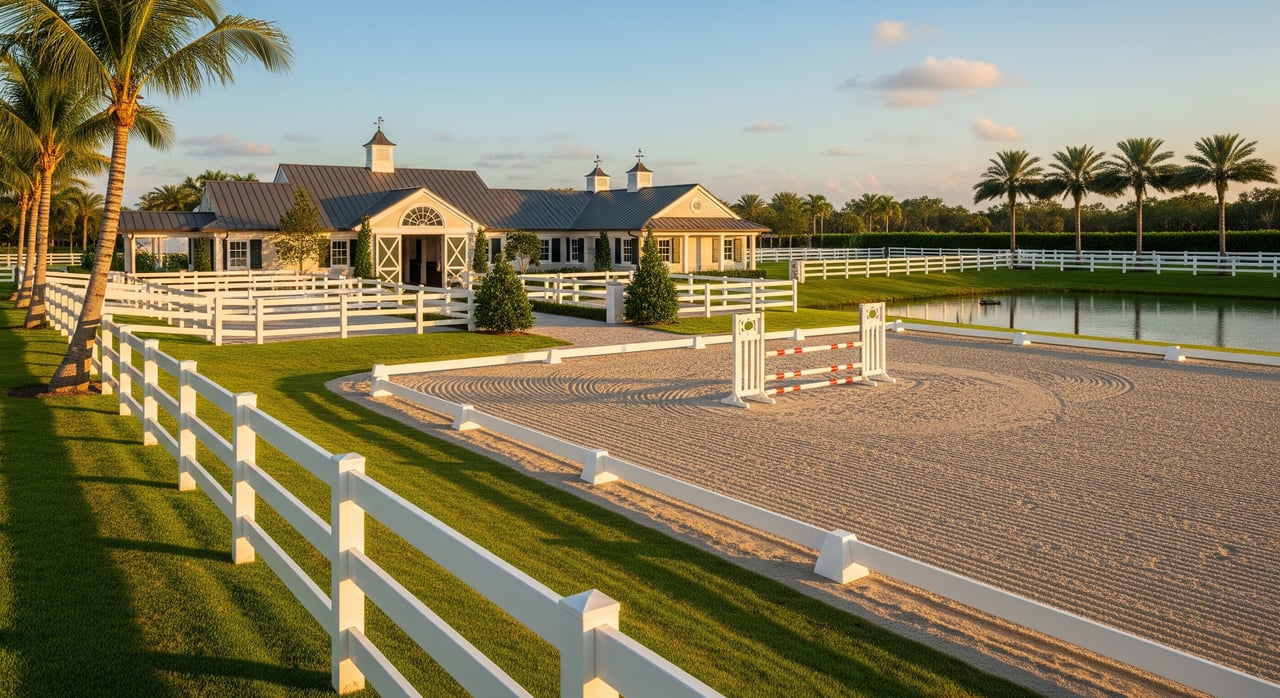
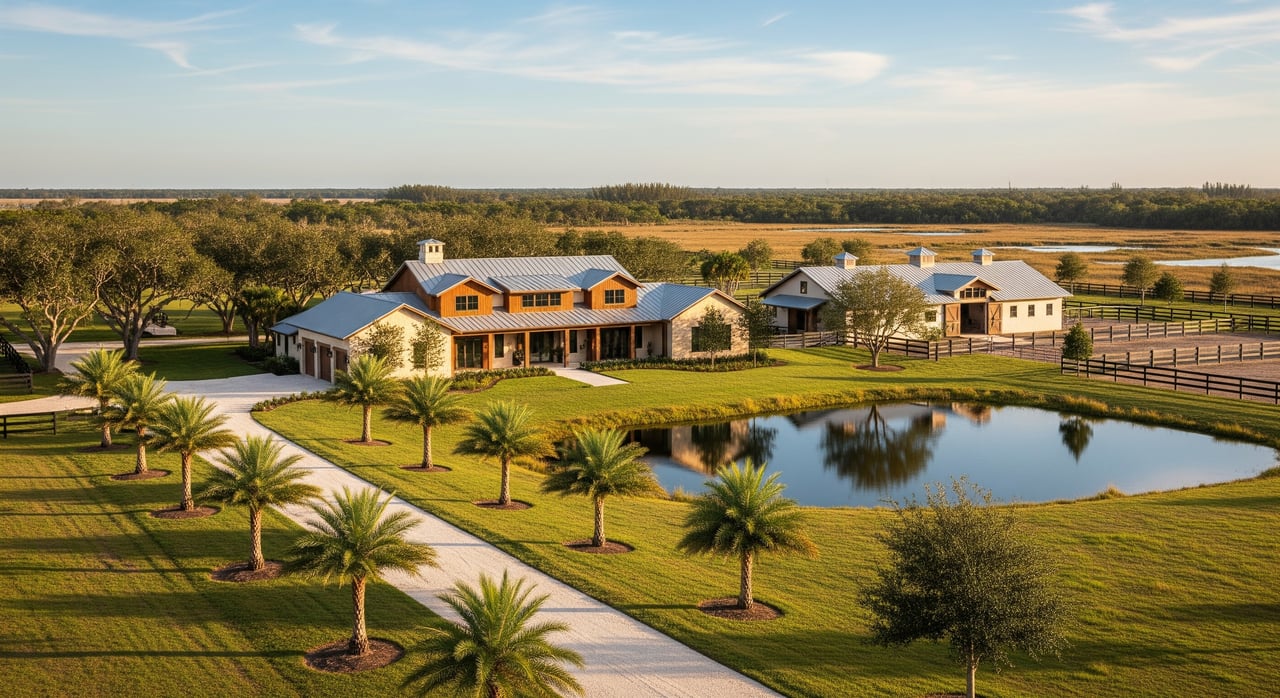
Not every home with acreage is equestrian-ready. In Wellington, buyers expect practical horse facilities, safe turnout, a usable arena or schooling space, and trailer-friendly access. Many properties range from 1 to 5 acres for hobby and small training setups, while larger training facilities extend beyond 5 acres. Always confirm the exact permitted uses and lot requirements for each address.
Core barn and horse facilities
- Barn type and stall count aligned with your horses and program.
- Common stall sizes include 10×10 for smaller horses and 12×12 for sport horses, with larger options for big breeds.
- Tack room, feed and hay storage, and a dedicated wash stall with proper drainage.
- Safe floors, secure doors, ventilation, lighting, and practical fire escape routes.
Turnouts, paddocks, and fencing
- Individual paddocks and larger turnout areas with safe fencing, secure gates, water access, and shade.
- Post-and-rail, PVC rail, or pipe fencing are typical. Barbed wire is not appropriate for horses.
- Acreage per horse varies by management style. Many Wellington owners use well-designed paddocks and dry lots with an arena and regular exercise.
- Irrigation and pasture management benefit from local best practices; see UF/IFAS Extension guidance.
Arenas and riding surfaces
- Dressage buyers often expect a 20×60 meter arena that matches the US Dressage Federation standard.
- Jumpers and hunters typically want larger sand or sand-fiber rings with good drainage and space for schooling jumps.
- A quality base, engineered drainage, and well-managed footing are important because of frequent summer rains.
- Footing needs routine maintenance for moisture and consistency.
Access, parking, and trail connections
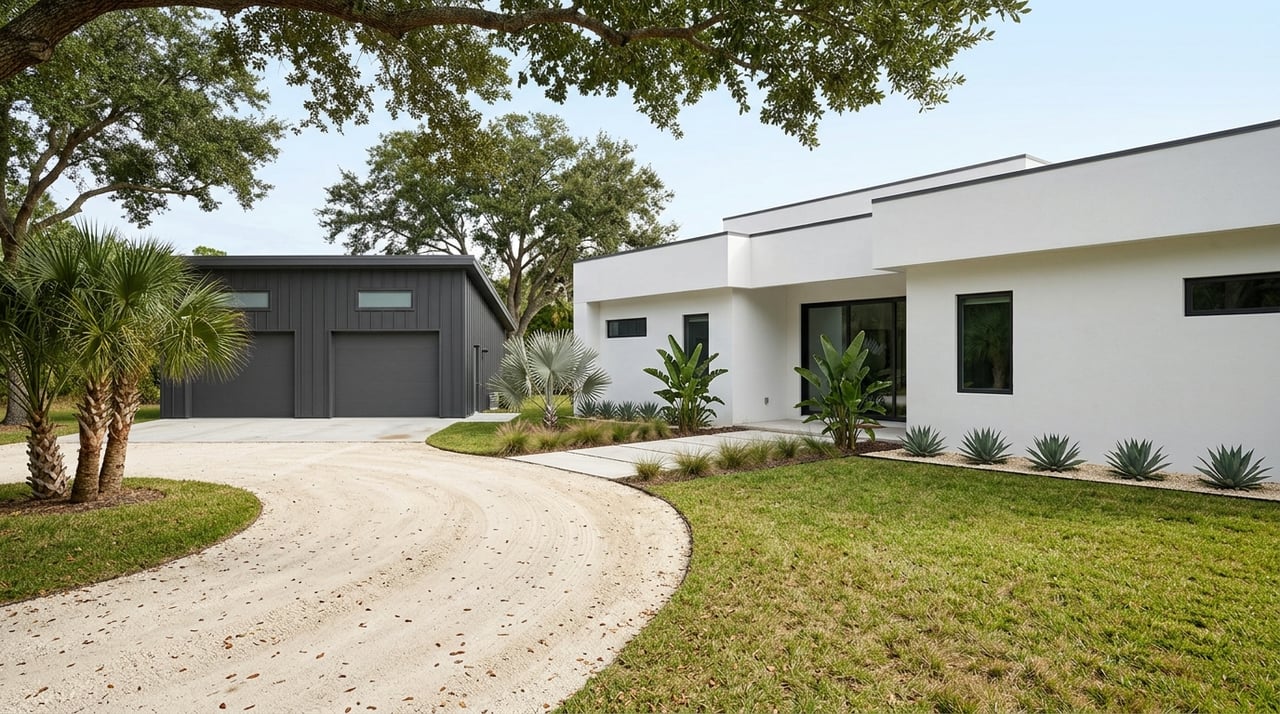
- Driveways and gates should allow large horse trailers to enter, turn, and park.
- Trailer-safe routes and quick access to major roads help during the show season.
- Some neighborhoods have direct access to the village bridle paths. Always confirm a property’s access and any local route or hour restrictions with the Village of Wellington.
Utilities, safety, and storm readiness
- Reliable water supply for horses and irrigation, plus adequate electrical capacity for fans, lighting, and hot water.
- Many owners add generators to support barn operations during outages.
- A manure storage and removal plan and appropriate wash-water management help with compliance and odor control.
Location factors that matter in Wellington
Proximity to show venues
If you plan to compete during the winter season, travel time to the PBIEC/WEF grounds can be a daily factor. Buyers often prioritize short hauls, easy early-morning access for schooling, and secure parking or staging on site. Check drive times during typical show hours.
Bridle paths and hacking options
Direct access to Wellington’s bridle-path network can add real convenience for conditioning and hacking days. Confirm where the closest entrances are, allowable routes, and any neighborhood-specific rules via the Village of Wellington and local associations.
Seasonal logistics and housing
The winter season drives demand for rental housing and temporary staff. Many buyers look for guest suites or on-site accommodations for grooms, plus storage space for trailers, jumps, and feed. Plan for parking and delivery access during peak months.
Climate and operations: plan for Florida
South Florida summers are hot and humid with frequent afternoon rains, while winters are milder and show-focused. Hurricane season runs June 1 to November 30, which affects evacuation planning, generator needs, and barn readiness. Drainage, shade, fly control, and moisture management for arenas are daily considerations. Check flood zones and insurance implications using the FEMA Flood Map Service Center.
Permits, zoning, and HOA basics
Before you buy or build, confirm the rules that apply to your exact property. Zoning determines whether stables, training, or boarding are allowed by right or require special approvals. Barns, arenas, and significant site work usually need permits and inspections, and septic capacity must match your usage. For details on permitting and septic, start with Palm Beach County building, zoning, and environmental health and the Village of Wellington, and confirm flood status with FEMA maps. HOAs can be more restrictive than municipal rules, including limits on horse counts, barn design, lighting, trailer parking, and commercial activity.
Practical buyer checklist
Use this quick checklist during showings and due diligence:
- Barn and stalls: stall count and sizes, ventilation, fire exits, electrical, drainage.
- Arena: dimensions and discipline fit, footing composition, drainage, jump storage.
- Fencing: type, height, condition, and safe offsets from roads.
- Turnouts and paddocks: acreage per paddock, shelter, water, shade.
- Water and irrigation: municipal or well, irrigation capacity, any well permits.
- Manure management: storage location, removal schedule, environmental controls.
- Trailer access: driveway width, turning radius, trailer parking rules.
- Utilities and emergency: generator size, barn electrical panel, storm and evacuation plan.
- Permits and legal: zoning for equestrian or commercial use, HOA rules, permits for past or planned structures.
- Flood risk and insurance: flood zone status and potential premiums via FEMA.
- Season logistics: drive time to PBIEC/WEF and proximity to local farriers, vets, and supply.
Your next step
If you want a property that fits your discipline, season plans, and daily routine, start with a focused search and a clear checklist. With 23+ years of local experience across Wellington and Palm Beach County, you get neighborhood insight and steady guidance from offer to close. Ready to narrow options and move with confidence? Schedule a consult with Deborah Puleo.
FAQs
What counts as an equestrian property in Wellington?
- A home with horse-ready facilities like a barn and stalls, safe turnouts, a usable arena or schooling space, and trailer-friendly access, ideally with proximity to bridle paths and show venues.
How close should I be to WEF if I plan to compete?
- Aim for short, reliable drive times during show hours, easy trailer routes, and on-site parking or staging; test the morning haul to PBIEC during peak season conditions.
Do I need permits to build a barn or arena?
- Yes, most barns, arenas, and significant drainage or septic work need permits and inspections; verify requirements with the Village of Wellington and Palm Beach County.
What sizes do riders expect for stalls and dressage arenas?
How do flood zones and hurricanes affect horse properties?
- Flood zones can influence insurance and design; check the FEMA Flood Map Service Center and plan for storm season with drainage, generators, and evacuation readiness.
Can I board horses or teach lessons on my Wellington property?
- It depends on zoning and HOA rules, and commercial operations may require business licensing and compliance with public access and septic capacity requirements.