
December 18, 2025
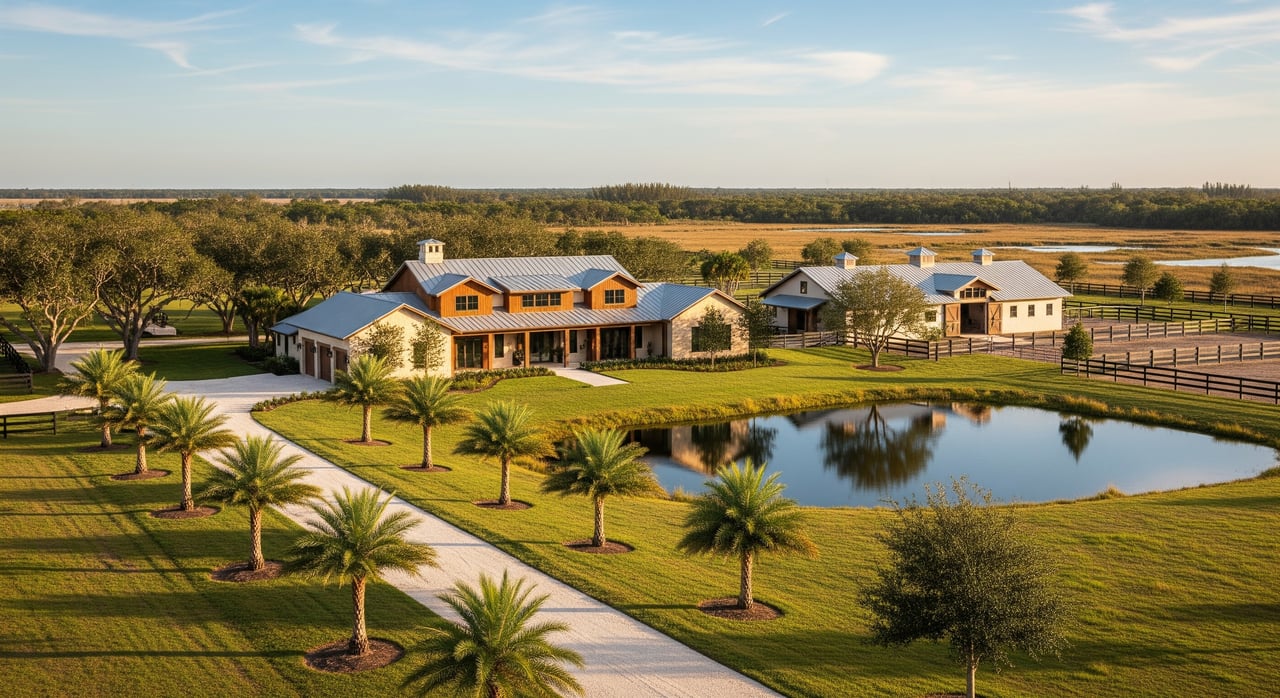
Dreaming of more space, room for horses, or a place to spread out your hobbies? Acreage living in Loxahatchee offers that rural feel while keeping you within reach of Palm Beach County amenities. The flip side is that country properties come with different rules, utilities, and maintenance than a typical suburban home. In this guide, you’ll learn what to expect, what to verify, and how to plan your search with confidence. Let’s dive in.
Loxahatchee refers to two areas with similar character and different rules. You have the unincorporated Loxahatchee area of Palm Beach County and the Town of Loxahatchee Groves. This matters because zoning, setbacks, and accessory structure rules can change across the boundary. Always confirm whether a parcel sits inside town limits or in unincorporated county territory early in your search.
Typical acreage parcels start around 1 acre and go up to several acres, with some larger estate and equestrian tracts exceeding 10 acres. Many properties support single-family homes with barns or stables, arenas, fenced paddocks, storage buildings, small hobby farms, and private ponds. Uses and building options are shaped by the zoning category in place for that specific parcel.
Zoning in Loxahatchee Groves and unincorporated Palm Beach County is designed to preserve low density and rural character. Specific minimum lot sizes, height limits, setbacks, and accessory use rules are listed in each jurisdiction’s land development regulations. Before you assume an intended use is allowed, review the local zoning designation and its use table.
Barns, pole barns, detached garages, and sheds are common, but they usually require permits and inspections. Most rural categories allow equestrian and agricultural uses, with defined limits on building footprints, impervious surface, and numbers of livestock. If you plan to add plumbing to an outbuilding, check how that affects septic capacity and permitting.
Acreage properties may be reached by paved county roads, but many rely on gravel or dirt roads, or private drives. Some neighborhoods are part of a road maintenance agreement or district that spells out who pays for grading and repairs. Verify who maintains the access road, whether a recorded agreement exists, and whether culverts or driveway improvements need county permits.
Legal access should be clear on the deed and the title commitment. Some parcels use shared driveways or have historical access across a neighbor’s land. Confirm recorded easements, rights of way, and any restrictions if you plan changes or future splits.
The Loxahatchee area includes low-lying patches, canals, and drainage ditches. Heavy rain can create temporary standing water even away from the coast. Check FEMA flood zone maps, ask for any elevation certificates, and review regional drainage information through local water management resources. Visiting after a rain gives you a practical read on culverts, ditches, and how the land sheds water.
Many acreage homes rely on private wells and septic systems rather than municipal water and sewer. Verify what is on site, the age and permitted capacity of the systems, and any maintenance records. Replacement or upgrades can be significant, so include a septic inspection, a well flow test, and water quality testing in your due diligence.
Electric service is generally provided by Florida Power & Light. For large shops or barns, check transformer capacity and whether line extensions are needed. Natural gas is limited in many rural areas, so propane, delivered LPG, or electric systems are common for heating and cooking. Broadband coverage varies by street; some parcels rely on satellite, fixed wireless, or cellular home internet. Always verify provider availability for the exact address.
Accessory buildings like barns, arenas, and storage structures are part of the acreage lifestyle. Most new construction and significant repairs require permits and inspections through the county or town. Ask for the permit history on existing improvements and make sure new work is designed to code.
Adding bathrooms or a tack room with a sink can change septic loading. Septic systems must be sized for the number of bedrooms and any additional fixtures with plumbing. Consult the local health department early to avoid costly redesigns.
Fencing and animal shelters often have specific setback requirements. Some animal-related uses also have nuisance rules intended to minimize impacts on nearby residential properties. If you are planning paddocks, kennels, or manure storage, verify spacing and location requirements during the planning stage.
Palm Beach County is a hurricane-prone region, so expect higher deductibles for wind coverage and underwriting requirements like hurricane straps or shutters. A wind mitigation inspection can help you understand potential premium savings.
Even inland areas can fall within FEMA flood zones or experience drainage challenges. Lenders may require flood insurance, and it can be a wise precaution regardless. Review the property’s flood zone, ask about historical standing water, and get quotes early.
Homes without nearby hydrants or those located farther from a fire station may see higher fire-related premiums. Some insurers consider distance and available water supply when pricing coverage.
Insurance availability and terms can shift. If private markets are tight, you may be guided toward residual market carriers such as Citizens Property Insurance Corporation. Build time into your contract to secure realistic quotes.
Florida taxes are based on assessed value, and acreage alone does not guarantee higher or lower taxes. Palm Beach County offers agricultural classifications, often called Greenbelt assessments, that can reduce taxable value if the land meets qualifying criteria like active agricultural use and minimum acreage. Review current tax bills and any classifications to understand how future use could affect your tax liability.
Parcels with wetlands, protected vegetation, or ties to regional drainage systems can require additional permits before grading, filling, or construction. Depending on the site, you may need approvals related to water management or environmental protection.
If a property has a history of agricultural operations, consider whether chemicals were used in a way that warrants additional environmental review. This is part of prudent due diligence for long-term land health and value.
Owning acreage means more routine care than a typical subdivision lot. Budget time and money for:
A small equipment plan helps. Many owners keep a tractor, zero-turn mower, and basic implements to stay on top of seasonal tasks.
Use this checklist to focus your inspections and document review:
Visit several times, including early morning, late afternoon, and after rain. This shows traffic patterns, farm activity, and drainage behavior. Bring a simple measuring tape to estimate driveway slope, distance to the nearest paved road, and likely setback areas for future buildings.
Ask for permit records and septic and well documentation before you make an offer. If you are planning new construction, consider early consultations for a boundary survey, soils or compaction review, and utility feasibility. A short due diligence contingency can give you enough time to complete these steps without rushing.
Acreage purchases mix lifestyle and logistics. You want clarity on zoning, access, utilities, flood and insurance factors, and the true cost of upkeep. An experienced local broker helps you identify the right properties faster, request the right documents, and line up inspections in the correct order.
With 23+ years in Palm Beach County, Deborah brings neighborhood knowledge and transaction experience that fits both family buyers and complex, multi-parcel searches. If you are exploring Loxahatchee or Loxahatchee Groves, you will get practical guidance, attention to detail, and a steady process that protects your interests. Ready to talk through your goals and create a smart plan for acreage living? Connect with Deborah Puleo to start your search.

Have questions about buying, selling, or moving to Palm Beach Gardens? Reach out anytime—Deborah is here to help with honest advice and local expertise.