
June 11, 2026
If you picture coastal living as a nonstop vacation, Delray Beach may surprise you in the best way. Life near the ocean here feels less like a resort fantasy and more like a real, livable rhythm where beach time, downtown errands, dining, and the arts can all fit into the same day. If you are wondering what it is actually like to live near the coast in Delray Beach, this guide will walk you through the pace, the setting, the homes, and the practical side of owning here. Let’s dive in.
In Delray Beach, the coast is not just a backdrop. It is part of everyday life. The city has an estimated population of about 69,809 as of July 1, 2025, and with a 63.2% owner-occupied housing rate, it has a strong year-round residential base rather than only a seasonal feel.
That matters because the beach is woven into daily routines. Delray Beach Municipal Beach draws nearly 4.1 million residents and visitors, and many entrances include practical features like showers, bike and towel racks, bottle-filler fountains, and sand trails to the water. The beach also earned Blue Flag designation for the 2026 season, which the city says makes it one of only three U.S. beaches to receive that honor in 2026.
For many residents, a normal morning can be simple and appealing. You might start with a walk by the water or a bike ride, then head into downtown for coffee, breakfast, or a quick stop at the market. That close connection between the beach and the rest of town is a big part of what makes Delray Beach stand out.
One reason coastal living in Delray Beach feels so balanced is that the downtown core is close and easy to enjoy. The Downtown Development Authority describes the area as walkable to boutiques, chef-driven restaurants, nightlife, and the beach. There is also a free Freebee service in the historic downtown service area east of I-95 to A1A and from Gulfstream Boulevard to SW 10th Street.
Instead of feeling like one long strip, downtown Delray is organized into six neighborhoods: Beachside, Pineapple Grove, The Ave, SOFA, US1, and West Atlantic. That layout gives the area a more local, layered feel. You can explore one pocket at a time and still feel connected to the larger downtown scene.
This is part of what coastal living really feels like here. You are not choosing between beach life and town life. In Delray Beach, the two often blend together in a way that can make daily routines feel more relaxed and more social.
If you want a snapshot of Delray Beach life, look at a Saturday morning. The GreenMarket at Old School Square brings together more than 60 vendors along with live musical entertainment. For many locals, it is part errand, part social outing, and part weekend ritual.
That kind of routine shapes the overall feel of the city. A market stop can sit right alongside a beach walk, brunch, or a casual downtown stroll. You are not always planning your day around long drives or separate destinations.
For buyers thinking about lifestyle, that convenience matters. Coastal living here often feels connected, not isolated. You can enjoy the ocean while still staying plugged into everyday community life.
Delray Beach has more cultural depth than many people expect from a beach town. Pineapple Grove, just off Atlantic Avenue, is known for boutiques, bistros, art galleries, salons, spas, public art, working artist studios, and Arts Garage. That mix gives the area a creative, walkable atmosphere that adds texture to daily life.
The arts calendar also keeps things moving. First Friday Art Walk is a monthly self-guided tour of galleries and studios with live entertainment. Arts Warehouse adds rotating exhibitions, monthly workshops, 15 resident artist studios, and free public access from Wednesday through Saturday.
Old School Square plays a major role too. It is an award-winning arts center in the heart of downtown and helped drive Delray Beach’s downtown revival in the 1990s. Events like Savor the Avenue, a four-course street dining experience across five blocks of East Atlantic Avenue, show how food, culture, and public space come together here.
The housing side of coastal living in Delray Beach is not one-note. You will find a range of home styles near the beach, downtown, and the Intracoastal. That variety is one reason buyers are drawn to the area.
Delray Beach has five historic districts on the local register, and the city says two are also listed on the National Register of Historic Places. These districts help preserve the city’s architectural character and tell the story of how different parts of Delray developed over time.
Near the ocean, Nassau Park stands out because it is the city’s only historic district east of the Intracoastal Waterway. The city describes it as a modest, low-scale neighborhood developed mainly between 1935 and 1941, with 18 Colonial-Cape Cod Revival cottages. The area also includes references to Mediterranean Revival-style oceanfront homes along South Ocean Boulevard.
Elsewhere near downtown and the Intracoastal, the Marina Historic District includes a broad mix of styles such as Mediterranean Revival, Mission Revival, Monterey, Minimal Traditional, Frame Vernacular, Art Moderne, and Florida Cottage Style. Del-Ida Park leans Mediterranean and Mission Revival, with other low-scale building styles helping shape the streetscape.
Old School Square and Banker’s Row add even more variety, including Vernacular, Bungalow, Mission, Mediterranean Revival, and working-class homes built from the 1920s through the 1950s. In the downtown core, design guidelines point to architectural languages such as Florida Vernacular, Anglo-Caribbean, Mediterranean Revival, Classical Tradition, Art Deco, Masonry Modern, and Main Street Vernacular.
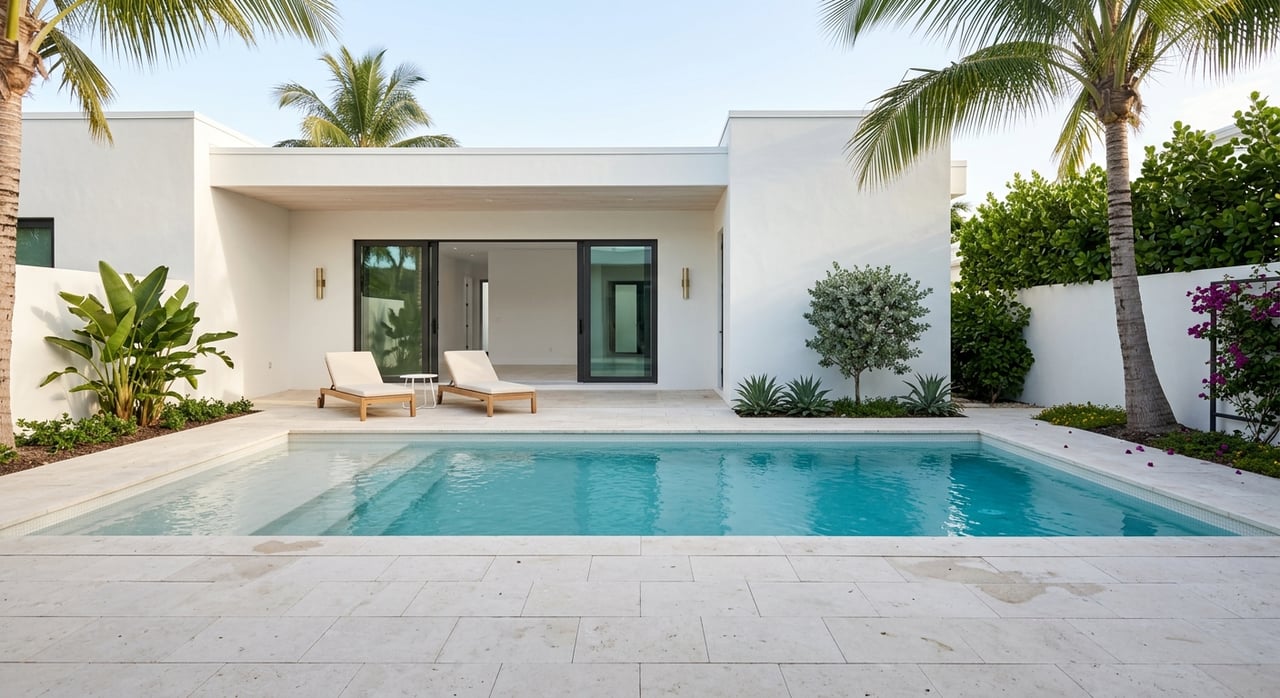
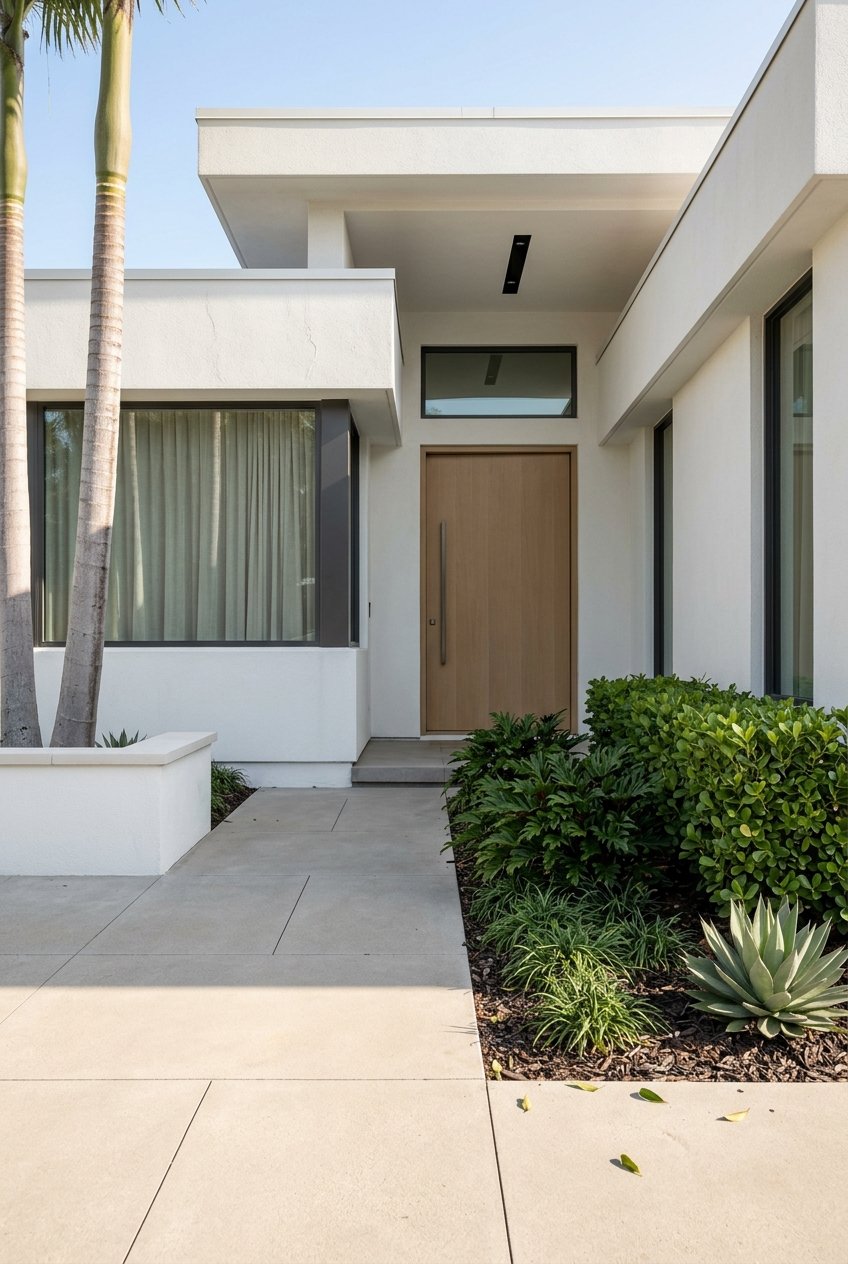
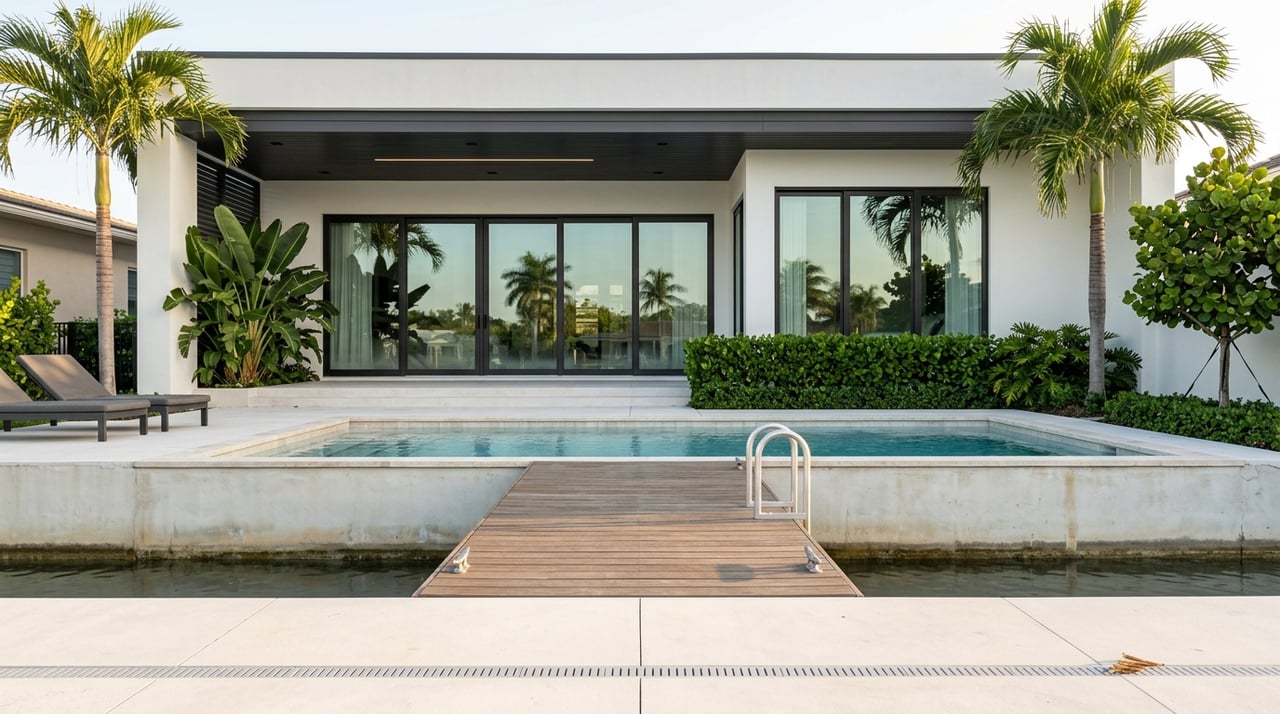
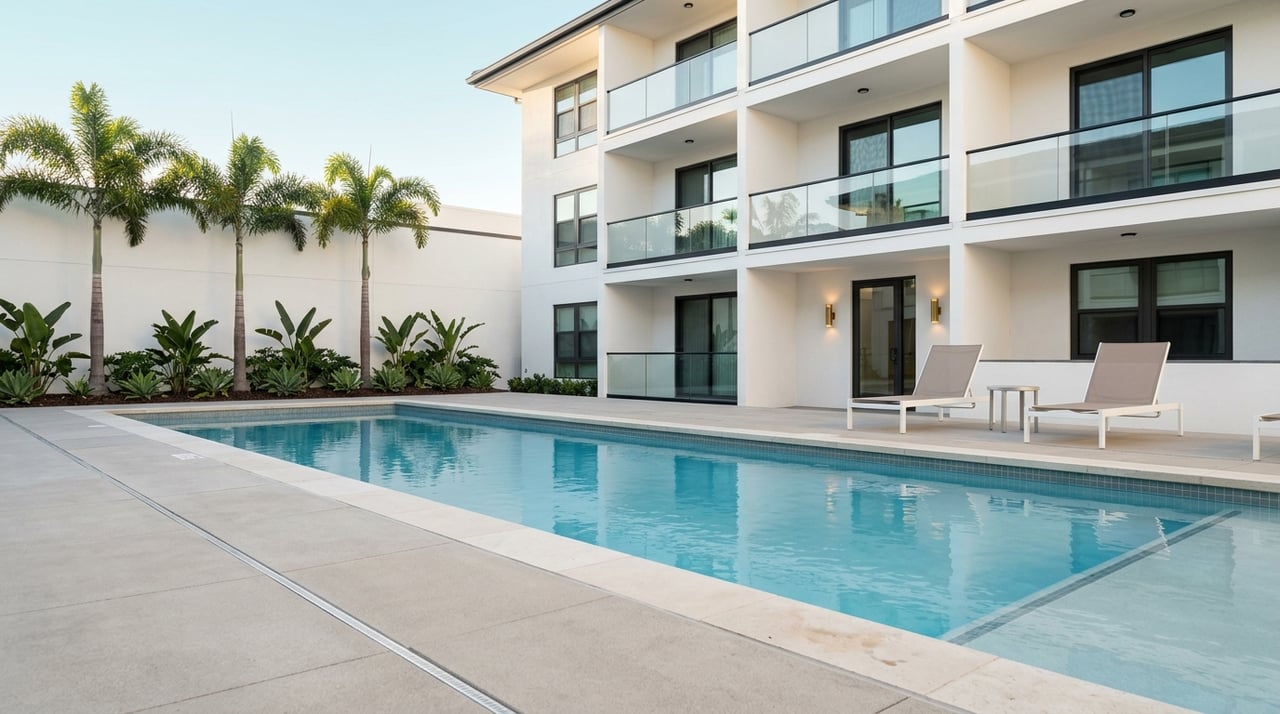
If you are shopping in Delray Beach, coastal living can look different from block to block. One property may be a historic cottage near the water. Another may be a low-rise residential building close to downtown. A newer home or condo may reflect local design rules while offering a more modern layout and finish level.
That range gives buyers options, but it also means neighborhood knowledge matters. Two homes may both be close to the coast yet offer very different day-to-day experiences, maintenance needs, and architectural appeal.
The lifestyle in Delray Beach is appealing, but coastal ownership also comes with practical considerations. The city notes that its coastal geography makes it vulnerable to tidal flooding, storm surge, and heavy rainfall. That is an important part of the picture for anyone buying near the Intracoastal, in low-lying areas, or close to the beach.
The city’s stormwater program is investing in resilience work such as seawalls, pump stations, drainage systems, and related improvements. The city places that effort within a $378 million capital improvement plan over 30 years. For buyers, that is useful context because it shows both the challenges of coastal geography and the long-term public investment tied to managing them.
The city also states that homeowners insurance does not cover flood damage and recommends flood insurance even outside high-risk zones. If you are considering a coastal or low-lying property, this is not a detail to overlook. It should be part of your due diligence from the start.
When you are evaluating a home in coastal Delray Beach, it helps to ask clear questions early in the process:
These questions do not take away from the appeal of coastal living. They help you go into a purchase with open eyes and a stronger plan.
So what does coastal living in Delray Beach really feel like? It feels connected. You can have the ocean nearby without giving up access to restaurants, art spaces, community events, and everyday conveniences.
It also feels layered. One moment may be quiet and residential on a low-scale street near historic homes. The next may be a lively dinner downtown, a market morning at Old School Square, or an evening event in Pineapple Grove.
Most of all, it feels like a place where lifestyle and location work together. The beach is a real part of daily life, but so is the rest of the city. That mix is what gives Delray Beach its staying power for full-time residents, second-home buyers, and anyone looking for a coastal setting with more depth than a simple postcard view.
If you are thinking about buying or selling in Delray Beach, local guidance can help you match the right property to the lifestyle you actually want. To talk through neighborhoods, home styles, and what to watch for in a coastal purchase, connect with Deborah Puleo.
Have questions about buying, selling, or moving to Palm Beach Gardens? Reach out anytime—Deborah is here to help with honest advice and local expertise.