
June 18, 2026
Wondering why two Delray Beach condos with similar finishes can feel completely different once you picture daily life there? That is one of the biggest surprises buyers run into in this market. If you are trying to choose a condo that truly fits how you want to live, the details that matter most often go far beyond countertops and views. Let’s dive in.
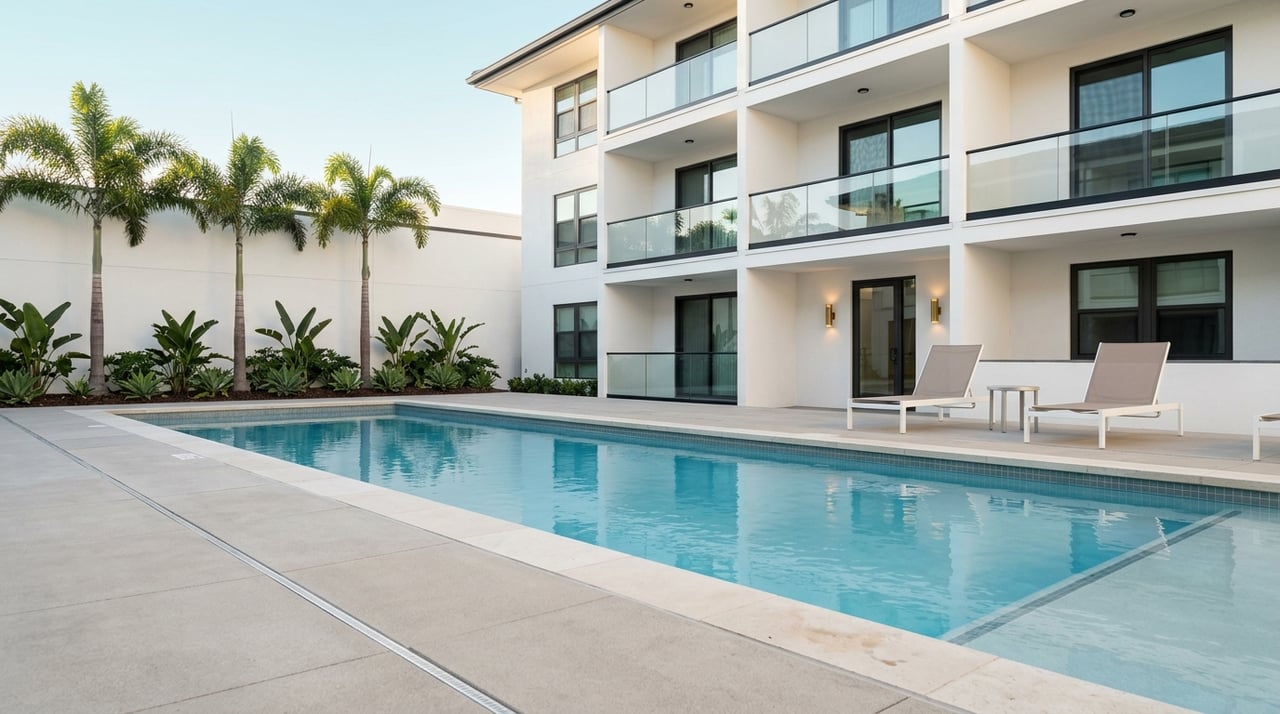
In Delray Beach, condo shopping often means comparing several distinct settings instead of one uniform market. The downtown and Atlantic Avenue area offers a walkable, event-focused environment. The Beach District offers easy access to the shoreline and a more sand-centered lifestyle.
There are also quieter inland and central-core options that may feel more removed from the busiest activity. That difference matters because your day-to-day experience can change a lot depending on where your building sits. In Delray Beach, geography is a major lifestyle decision.
If you want restaurants, shops, and events close by, downtown Delray may be the clearest fit. The area is organized around a pedestrian-friendly core, and the city offers Freebee service within the historic downtown service area. For many buyers, that can mean relying less on a car.
Parking still deserves careful attention. The city offers a Downtown Resident Parking Permit for residents without on-site parking, but it only applies to certain garages and surface lots. It is also not valid east of the Intracoastal, so you will want to confirm exactly how parking works for any unit you consider.
If your priority is easy beach access, the Beach District is often the most direct match. Delray Beach identifies this area as running from the Intracoastal Waterway to the Atlantic Ocean. It is a natural fit for buyers who want a coastal, lock-and-leave lifestyle or a seasonal home near the sand.
The city’s municipal beach is a major draw, with showers, bike and towel racks, drinking fountains with bottle fillers, and lifeguard coverage. It also attracts millions of residents and visitors each year. That popularity can be a plus if you love the energy, but it also means you should think carefully about traffic, parking, and how heavy visitor use may affect the area around the building.
Not every buyer wants to be in the center of activity. Some prefer a more low-key setting while still staying close to what Delray Beach offers. In those cases, inland or central-core condo options may feel more comfortable for everyday living.
These locations can appeal to year-round owners who want a calmer routine. If that sounds like you, it helps to compare not just unit features, but the overall pace and feel of each area.
A beautiful kitchen can catch your eye, but it will not solve a lifestyle mismatch. In Delray Beach, the better question is how the building supports the way you plan to live there. That starts with being honest about your routine.
If you love walking to dinner and events, downtown may be worth the tradeoffs that come with a busier setting. If you want the beach close at hand, the Beach District may check the right boxes. If you value a quieter home base, an inland location may be the stronger fit.
You will often see Delray Beach condos described as either boutique or resort-style. Those labels can be useful, but only if you understand what they usually mean in practice. The name itself is less important than the lifestyle and monthly cost attached to it.
Boutique buildings are generally smaller properties with fewer residents. Buyers often choose them for greater privacy, quieter common areas, and less elevator traffic. They may also offer a more personal feel than a larger building.
If you like a simpler community and do not need a long list of amenities, a boutique condo may be a strong fit. For some buyers, that lower-density feel is one of the biggest advantages.
Resort-style buildings are generally larger and more amenity-rich. These properties may include features such as fitness centers, party rooms, or other shared spaces. Monthly assessments often cover upkeep of the common property and those amenities.
That can sound appealing, but there is an important catch. If you rarely use the extras, you may still be paying for them every month. The right question is not whether the amenities look impressive, but whether you will use them enough to justify the cost.
Instead of focusing on the label, ask yourself a few practical questions:
Those answers usually tell you more than the marketing language ever will.
If you are buying a condo in Delray Beach, building health and association funding deserve serious attention. Florida’s condo oversight framework now places major emphasis on structural safety, reserve funding, transparency, and public protection. That means buyers need to look closely at association documents and building condition, not just the unit itself.
For residential condominiums with buildings three stories or higher, Florida law requires a Structural Integrity Reserve Study, or SIRS, at least every 10 years. The study covers major components such as the roof, structure, fireproofing and fire protection, plumbing, electrical systems, waterproofing or exterior painting, and windows and exterior doors.
Separate milestone inspections also apply to buildings three habitable stories or higher. In coastal areas, the inspection timeline may come sooner based on local enforcement requirements. For a buyer, these reports can reveal deferred maintenance, upcoming repairs, and possible future costs.
If a SIRS shows reserves are too low, the association may need to raise money through special assessments, a loan, or a line of credit. That can change your true ownership cost quickly. A low monthly fee may look attractive at first, but it does not always mean the building is financially stronger.
This is why you should compare condos by total carrying cost, not just purchase price. Monthly assessments, reserve health, possible special assessments, and insurance exposure all shape what ownership will really feel like.
Florida’s insurance guidance notes that a condo owner’s HO-6 policy covers personal property and certain interior items not insured by the association’s master policy. The state also notes that associations may assess owners when common areas are damaged or when reserves are not enough.
Loss-assessment coverage under an HO-6 policy must be at least $2,000, with a deductible cap of $250 for that coverage. Before you buy, it is smart to understand how the association’s master policy works and what costs could still fall to you as an owner.
Florida’s resale disclosure law gives buyers access to key association documents. These records can help you understand the building’s rules, finances, and current condition before you commit.
You should review:
You should also pay close attention to topics such as maintenance responsibilities, reserves, litigation, insurance, pet policy, rental restrictions, and occupancy limits. These details shape what ownership will look like after closing.
The right Delray Beach condo for a seasonal owner may not be the right one for a full-time resident. Your planned use should guide your search from the start. That can save you from buying into a building that looks good on paper but feels inconvenient in real life.
Seasonal owners often prioritize lock-and-leave convenience. Secure access, elevator service, easy parking, and low-maintenance living tend to matter a lot. They also need association rules that do not create friction when they are away for long stretches.
Downtown Delray can work well for this type of use because walkability, Freebee service, and garage-based parking may reduce the need to keep a car in constant use. For some buyers, that convenience is a major advantage.
Full-time owners usually think more about everyday function. Storage, guest parking, noise, pet rules, and home-office suitability may become more important than flashy amenities. They also need to know whether the amenity package adds value to daily life rather than just occasional use.
Condo living also means living near neighbors and following association rules. Those rules may address parking, noise, renovations, rentals, pets, guests, and use of common areas, so they should match your routine.
Before you choose a Delray Beach condo, make sure you get clear answers to these questions:
These questions can help you compare buildings more clearly and avoid surprises after contract.
In a market like Delray Beach, local interpretation matters. Two condos can appear similar online but come with very different costs, rules, and lifestyle tradeoffs. A knowledgeable local broker can help you compare buildings by what really matters, not just by photos or list price.
That includes organizing association documents, comparing total carrying costs, and helping you spot whether a low-fee building is actually efficient or simply underfunded. It also means matching the building’s location and rules to your actual day-to-day needs. That kind of guidance can make the difference between a condo that only looks good on paper and one that still feels right years later.
If you are narrowing down condo options in Delray Beach, working with an experienced local broker can bring clarity to the process. For tailored guidance on location, building fit, and the numbers behind ownership, connect with Deborah Puleo.
Have questions about buying, selling, or moving to Palm Beach Gardens? Reach out anytime—Deborah is here to help with honest advice and local expertise.